National Heritage
San Lorenzo Town Hall
Tourism of the Community of Madrid
Magical Towns of Spain
During this march, we will enjoy the beauty of Abantos, created by the effort of the men and women who worked on the repopulation.
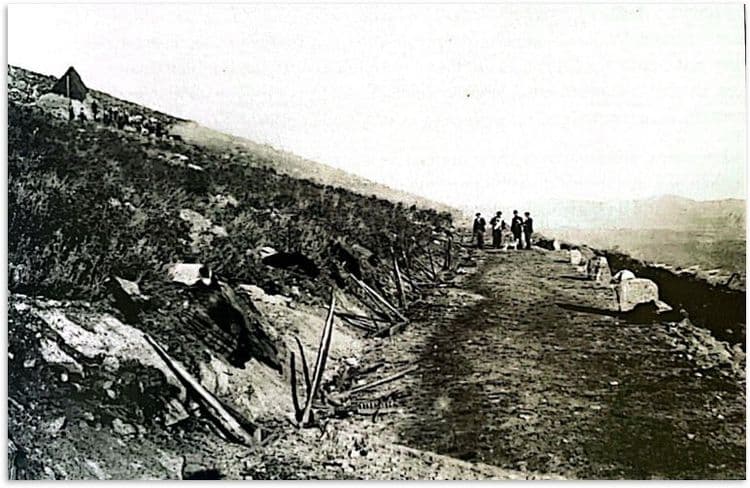
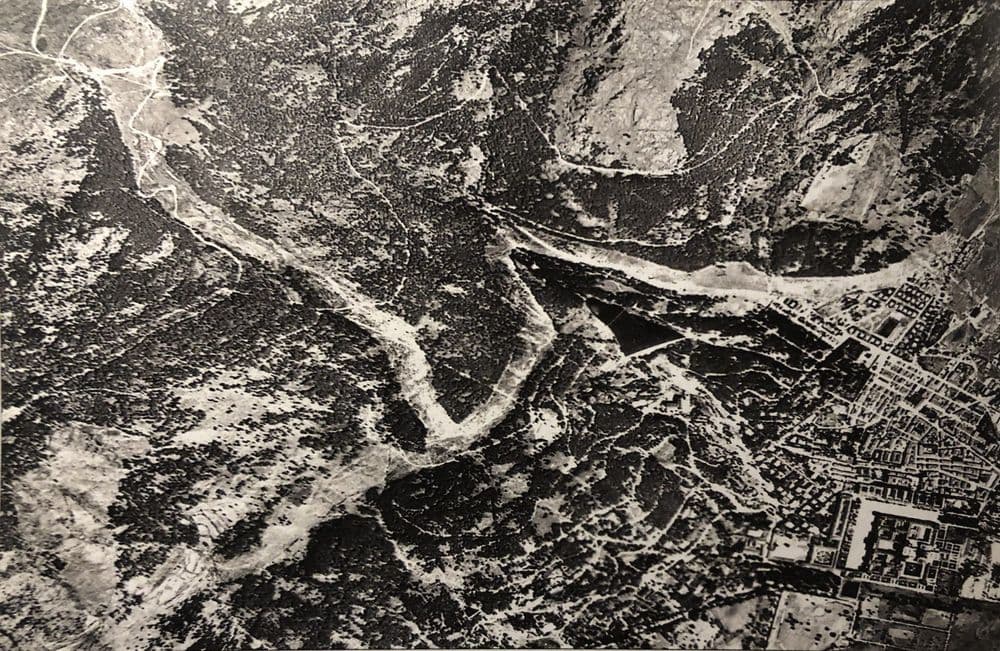
In 1892, the transformation of a rocky and treeless mountain into a magnificent pine forest with lush corners and beautiful walks began. It was the first scientific reforestation in Spain, led by Miguel del Campo, a professor at the School of Forest Engineers, then located in San Lorenzo de El Escorial.
The repopulation of Abantos was a genuine feat and had to overcome great challenges and difficulties: degraded soils, summer droughts and insect pests. It established the foundations for Spanish forestry, served as a laboratory for species and planting techniques and trained generations of forestry engineers.
Arca del Romeral
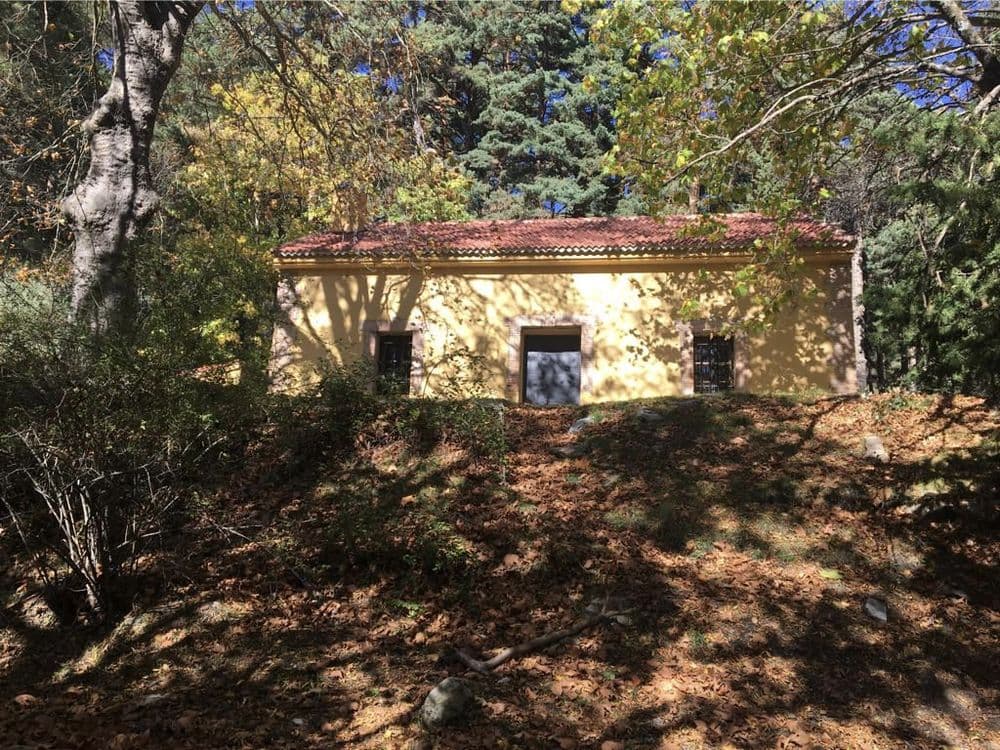
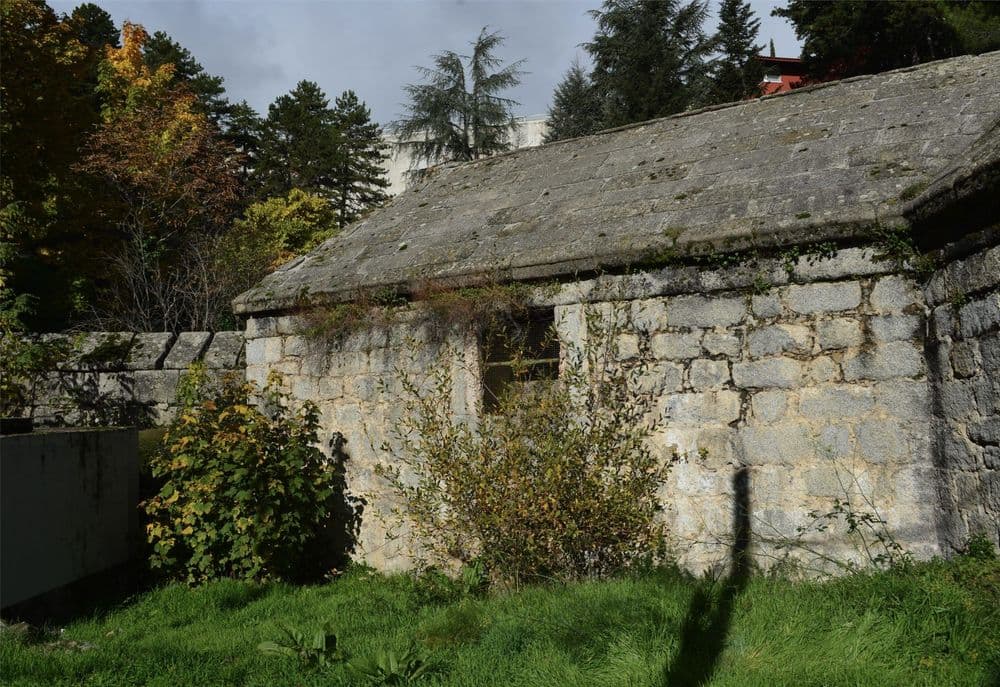
Next to the dam built in the times of Alfonso XIII, to supply the nascent summer colony, is the Romeral stream cistern, the primitive and original water supply and filtration system.
Parque de Miguel del Campo
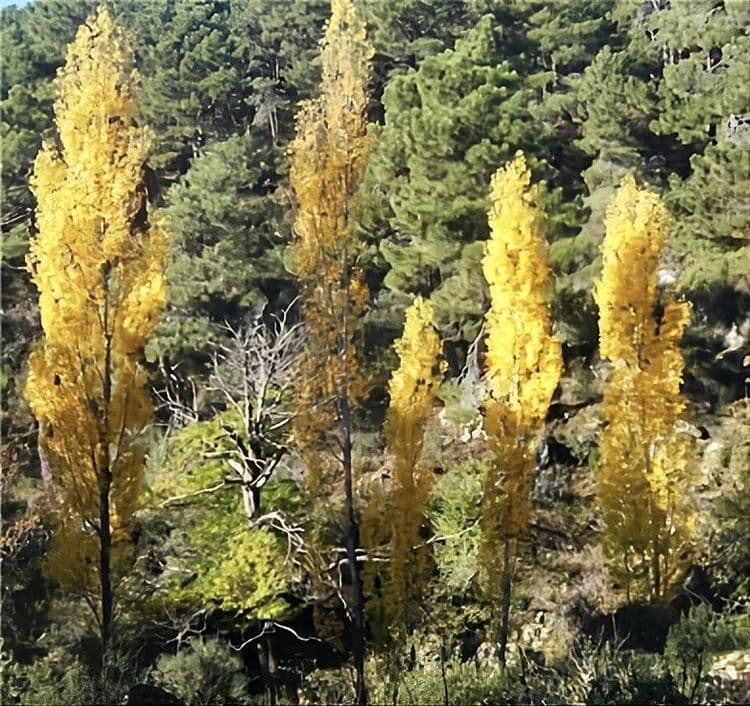
In April 1892, repopulation began in this place. Years later, in 1929, it was inaugurated as a forest park in honour of Miguel del Campo, the engineer behind the project. Today it is a lush forest with a multitude of tree species: century-old lime, chestnut, Spanish fir and poplar trees.
Vivero de los Gallegos
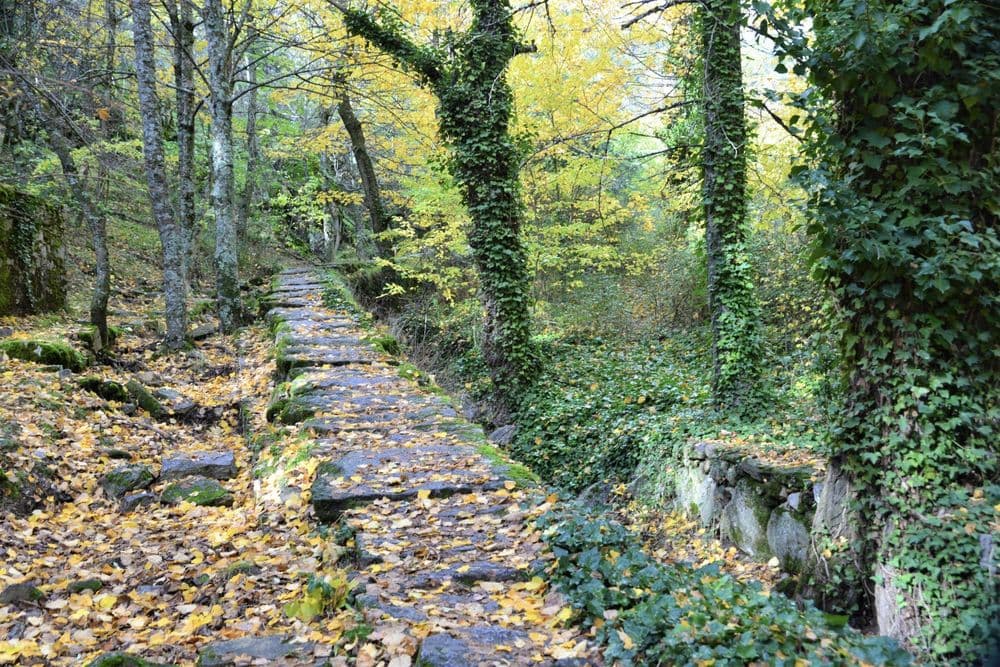
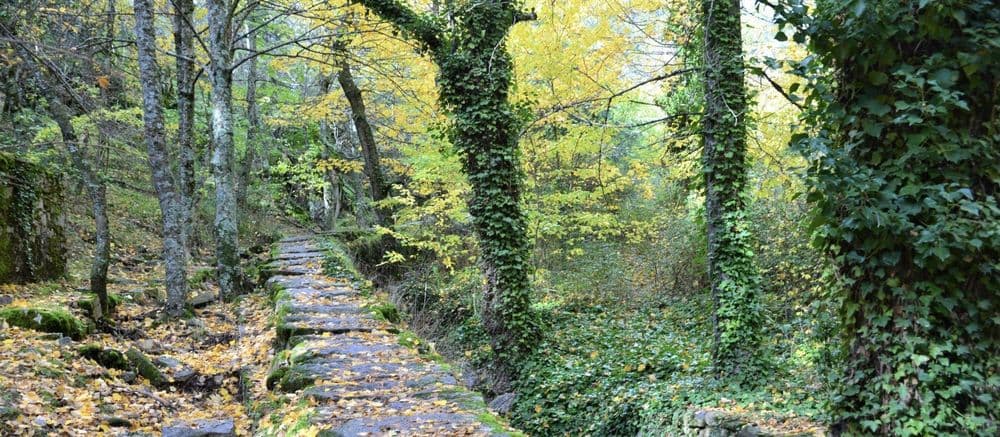
The name of this trail, known as the “camino de Los Gallegos”, is due to the workers who travelled from those lands to Castilla to take part in the harvest. At this point, you can enjoy a short journey into the past.
The Alerces lookout
In this place, we can enjoy a peculiar grove of two species that are rare to see in Madrid: beeches and larches. As an experiment, they were introduced to Abantos by the School of Forestry, and today it is one of the many peculiarities that make our walk exceptional.
Arboreto Luis Ceballos
The arboretum features 250 species of trees and shrubs native to the Iberian Peninsula, the Balearic Islands and the Canary Islands. The centre carries out extensive environmental education work, organising courses and activities for both adults and children.
Los Llanillos
Miguel del Campo ordered the construction of the mountain's most important nursery in this recreational area. Today, it features a unique elm, a survivor of graphiosis, which was planted by forestry engineers in the 19th century.
The valley's twine
From here we can contemplate the famous historical fence of Philip II, the stone wall that perimetered his domains, as well as enjoy beautiful views of the La Herrería forest, and the mountains of Las Machotas, the pico del Fraile and Los Tres Ermitaños.
Arroyo del helechal
This stream originates slightly above the Luis Ceballos arboretum and carries its waters to the Infante dam (18th century). This part of the mountain, the Romeral, was also repopulated by Miguel del Campo in the early 20th century after the success of his first steps was confirmed.
The horizontal
In this section of our journey, we will enter the Abantos-Romeral Sur colony. This neighbourhood, integrated within the forest itself, is a testament to the first summer houses built for the relaxation of the people of Madrid.
Euroforum Felipe II and school headquarters
We encourage the walker to conclude this peculiar route by visiting the headquarters of the Escuela de Montes in c/Floridablanca, the location of the first Casa de Oficios during the era of Philip II (16th century) and today, the municipality's Casa de la Cultura.
10 paradas






Route through Monte Abantos that discovers the history of its reforestation, among pine forests, nurseries, viewpoints, streams, and spaces linked to the Escuela de Montes.