
San Lorenzo AppBetter experience

National Heritage
San Lorenzo Town Hall
Community of Madrid Tourism
Magical Towns of Spain



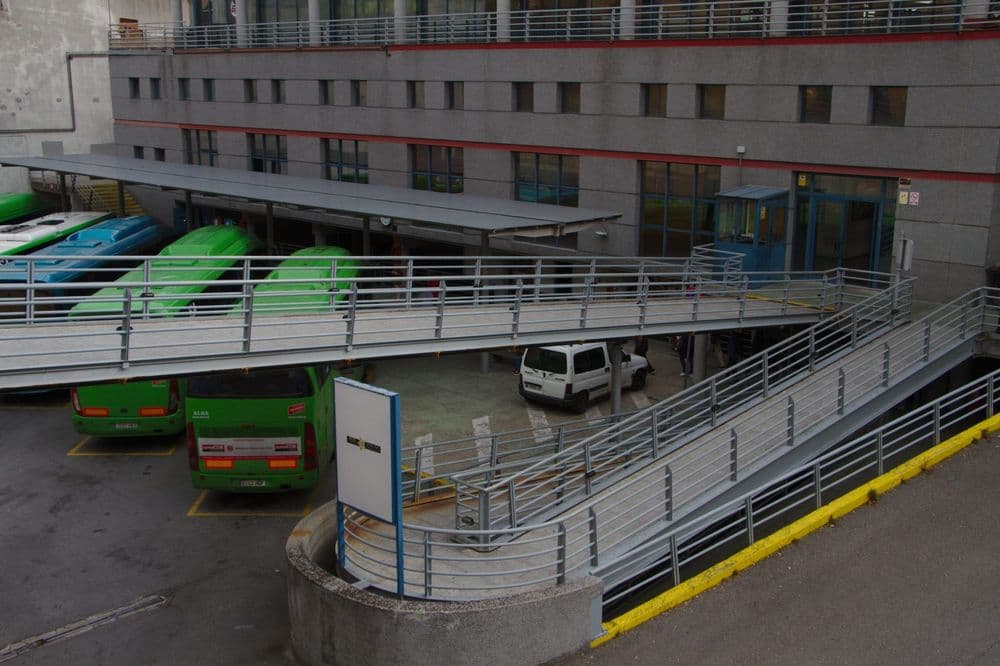
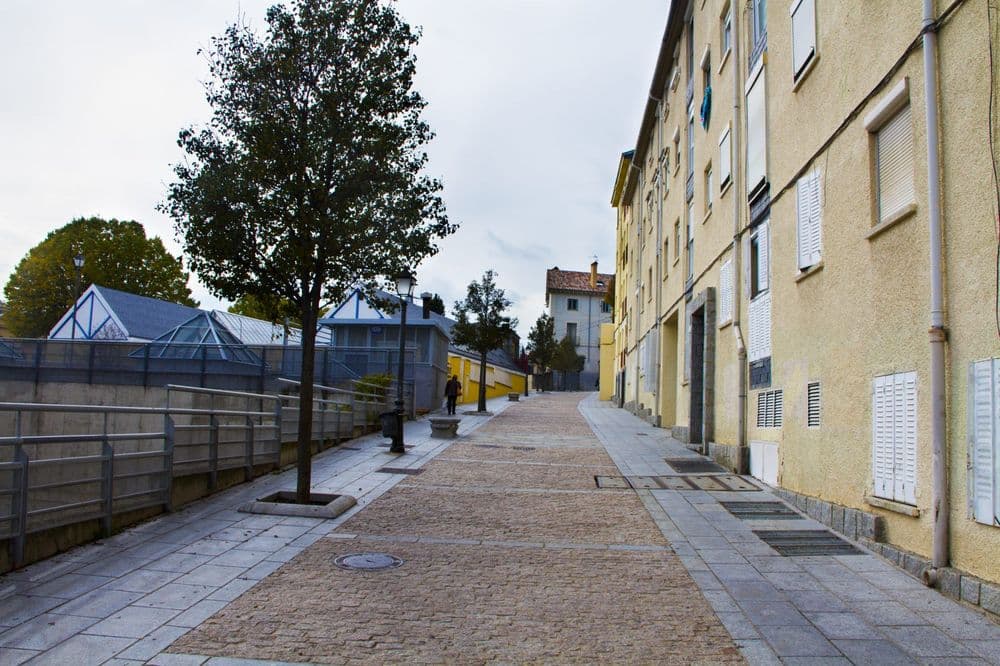
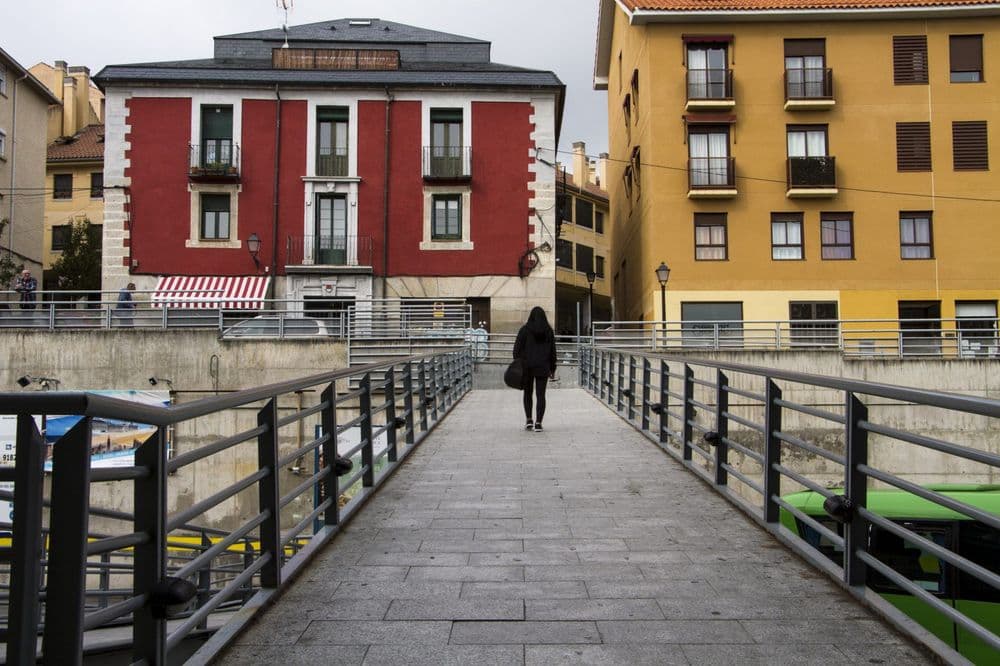
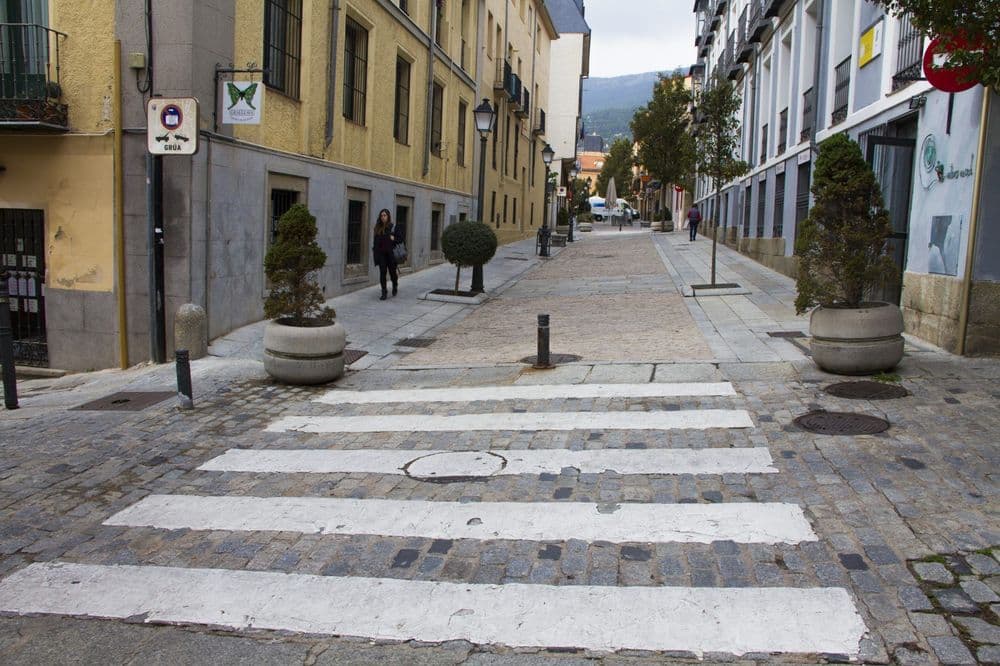
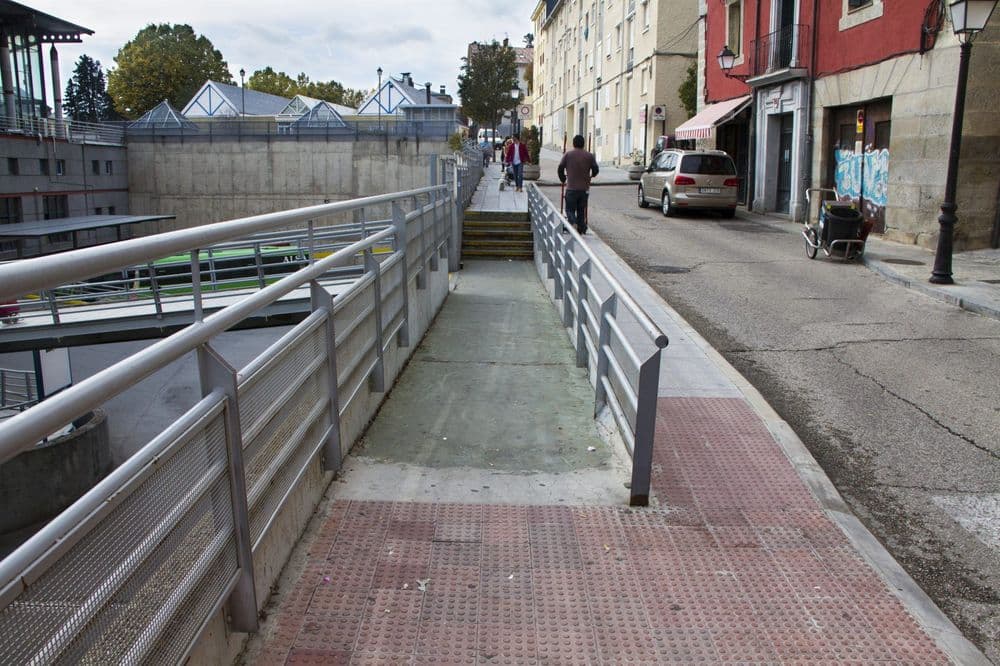
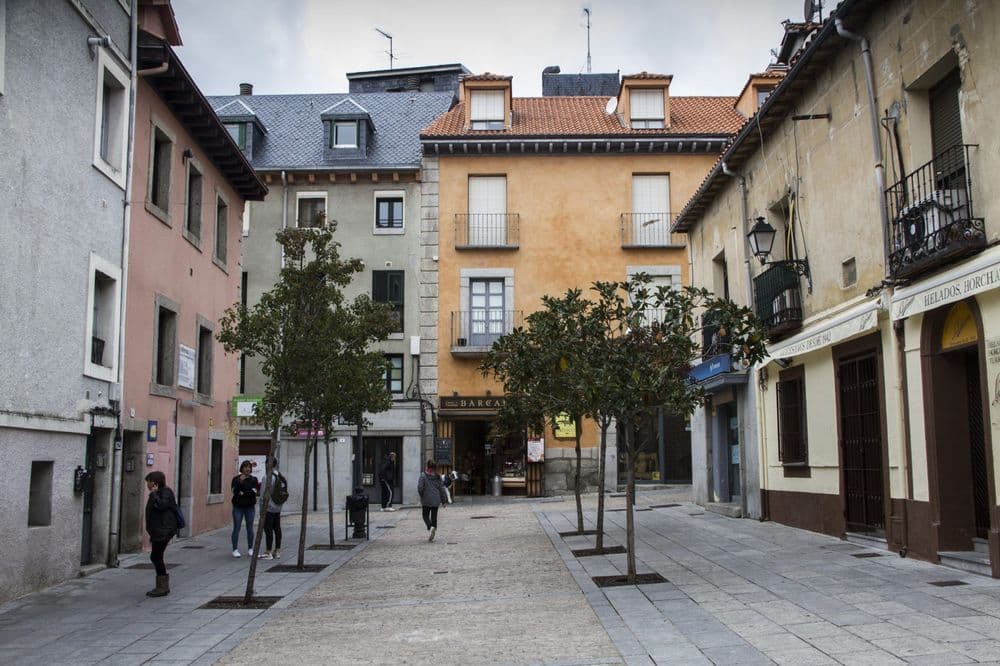
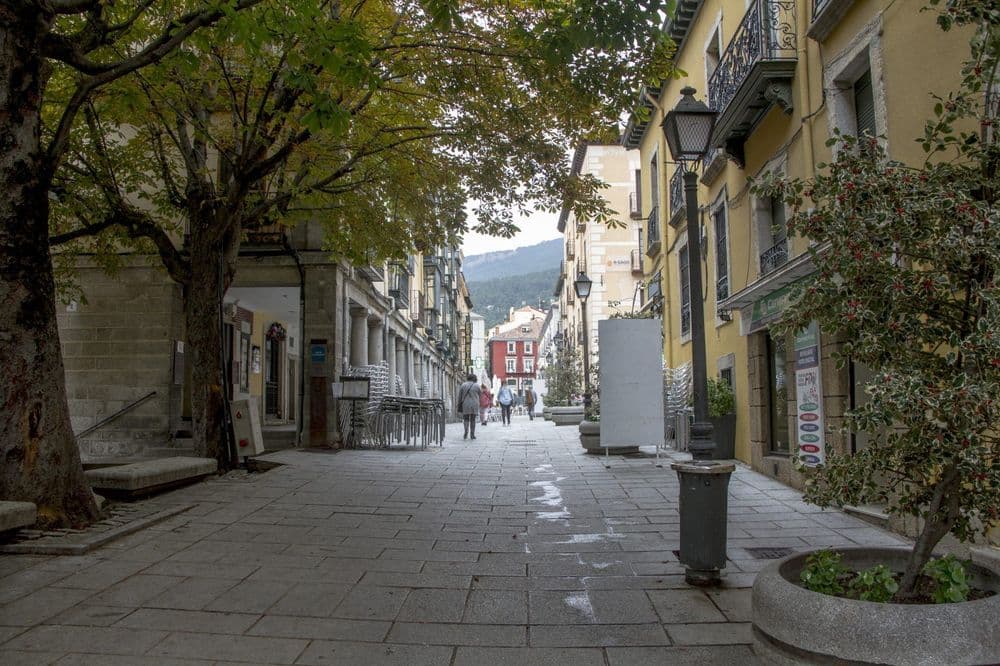
We invite you to begin the tour from the bus station. Accessing via Juan de Leyva street, we find theCasa del Marqués de Campo Villar(18th century). We continue until we reach Duque de Medinacelli Street, turning left we haveSan Lorenzo Square.
Below is Queen Victoria Street from where we can observethe House of Columns or of the Shops, built in the mid-19th century. From there, you can reachConstitution Square, presided over by the City Council, where the festivals in honour of its patron saint are held; circling it with great care, we turn left onto Floridablanca Street, where we will find facing us theHouse of the First Secretary of State(18th c.).
A few metres later we will reach theSanctuary of the Virgin of Gracia, later, theSecond House of Trades(16th century) and then theFirst House of Tradeswhere the exhibition room of the Casa de Cultura is located. To the right isthe Royal Colosseum of Charles IIIand behind it is foundJacinto Benavente Square. Further along the same pavement, the building of can be seenthe Royal Quarters(18th century) currently used by traders and hoteliers.
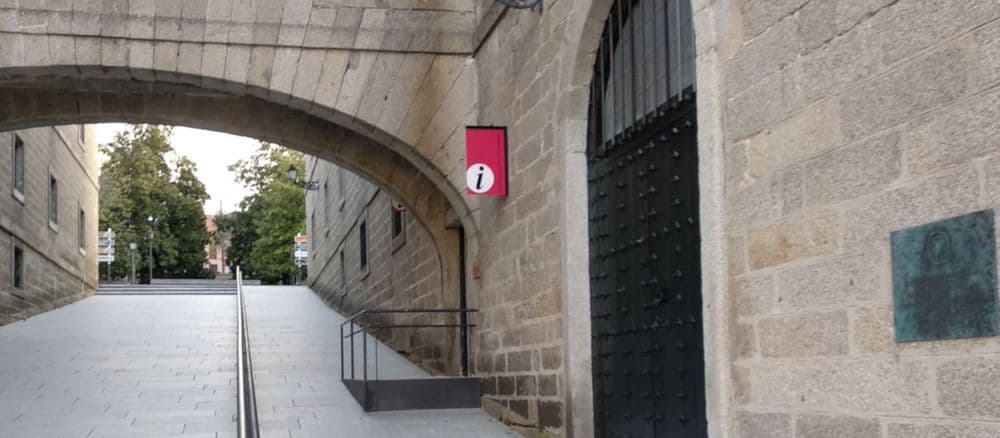
Next, we arrive at thePlaza de la Virgen de Gracia, popularly known as the "labyrinth", where it is locatedthe Park; place where festive events are held. Continuing along the same pavement, opposite we find theReal Monasterio(16th century) where the visitor will appreciate the magnitude of the Herrerian architecture. A few metres later, at the level of the Tourist Office, we have access to the Loja, a large space surrounding the monument. Continuing along the same pavement, we will reach theHouse of the Queen and the Infantes(18th century); next to it, theCasa de la Compaña(16th century) former inn and support building for the Monastery. It is currently home to the Real Centro Universitario Escorial María Cristina. Having reached this point, we will conclude the tour.
This accessible itinerary allows you to tour the city and discover its main buildings and its attractive streets and squares.
11 paradas
House built in 1773 by order of the Marquis de Campo Villar, according to the design of Juan de Villanueva, to be leased during the Royal Days to nobles and courtiers accompanying the king.
Building commissioned by Charles III from Juan de Villanueva to be leased as a block of shops during the Royal Days, with a rectangular floor plan and a porticoed gallery with granite columns.
Historic building of the Royal Site built as the residence of the First Secretary of State, a high-ranking official of the Spanish Court, located in the 18th-century urban complex of San Lorenzo de El Escorial.
Second of the houses of the Trades designed by Juan de Herrera, part of the unitary complex built in the 16th century to expand the dependencies of the Royal Monastery outside its precinct.
The first of the buildings conceived by Juan de Herrera to house the palace facilities of the Royal Site, built in the 16th century next to the Monastery to complete the monumental complex.
Historic theatre designed by the French architect Jaime Marquet and inaugurated under Charles III, with a programme of opera, theatre and dance that makes it one of the most unique stages in the Community of Madrid.
A set of three buildings founded in 1717 by Philip V to house new troops in El Escorial, the first Bourbon work in the municipality, integrated into the urban fabric of the Royal Site.
Late Renaissance masterpiece built between 1563 and 1584 by Juan de Herrera for Philip II, integrating a palace, temple, royal pantheon, convent, college and library. Declared a UNESCO World Heritage site in 1984.
Tourism Office and Interpretation Centre of the Royal Site of San Lorenzo de El Escorial, the starting point for urban and nature routes, providing tourist information and exhibitions on local heritage.
First major work of the architect Juan de Villanueva (1769), located in the Lonja de Poniente of the Monastery, designed to house the servants and infants of the royal family during the Royal Days.
Building constructed between 1590 and 1597 according to the project of Francisco de Mora, a disciple of Herrera, to house all the storage and services of the Royal Monastery and University of the Real Sitio.